
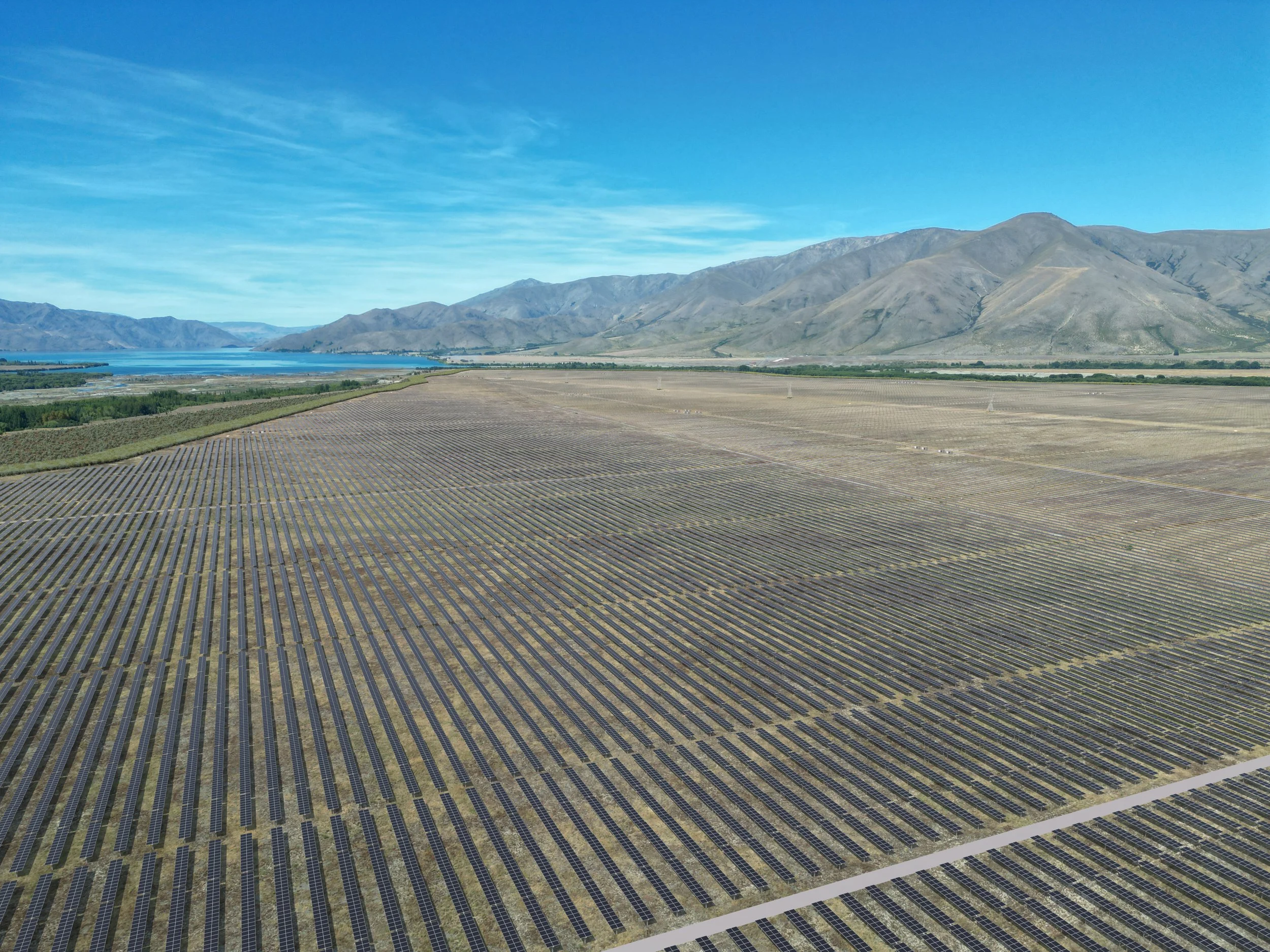
Indigenous peoples steward a fifth of the world's land.
We're changing who profits from it.
Four Directions Fund is an Indigenous-led platform that funds and manages the earliest, riskiest stage of renewable energy development, so Indigenous landowners enter these projects as owners and partners rather than tenants.
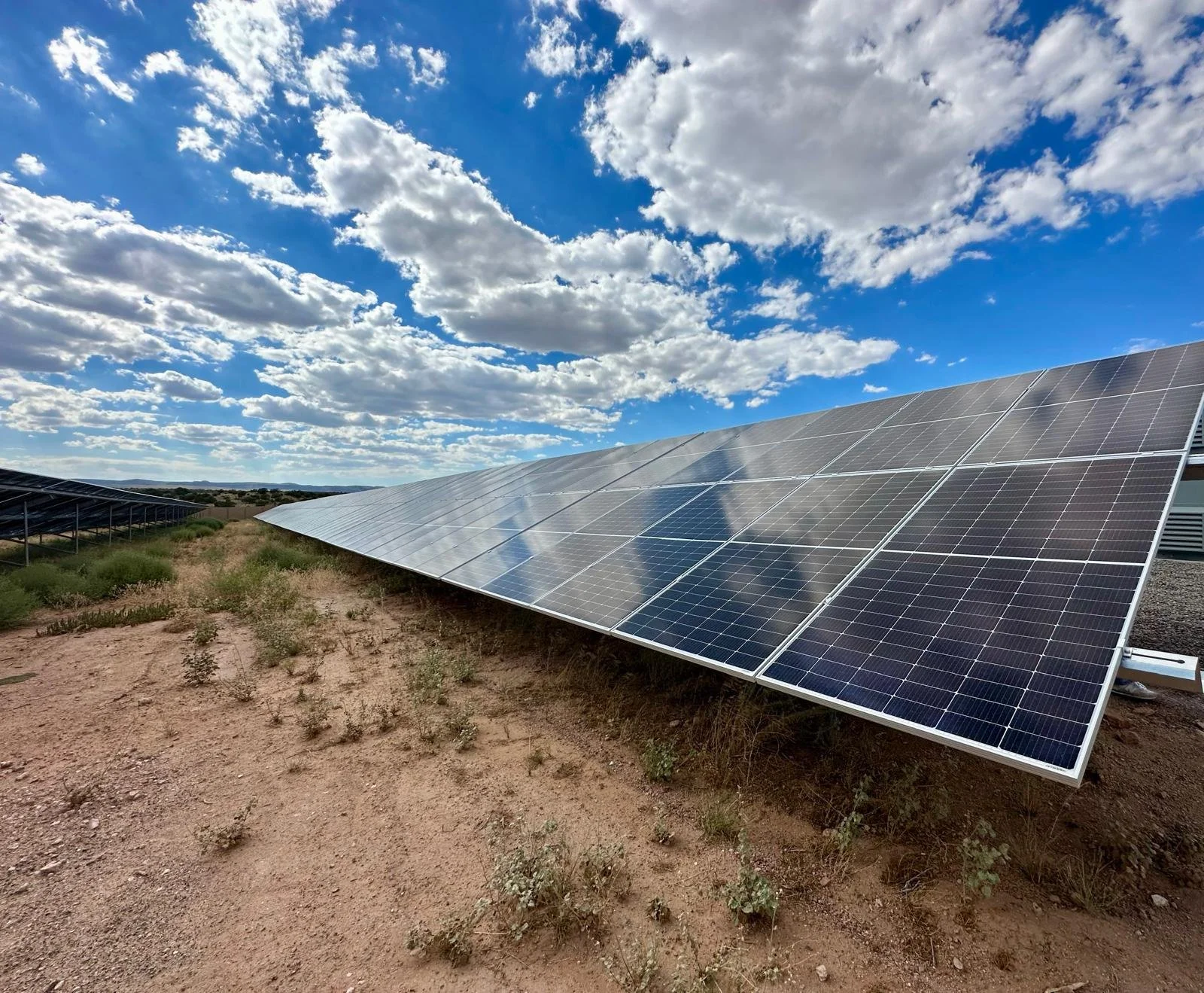
Why "Four Directions"
The four directions are held sacred across Indigenous cultures worldwide. Each carries its own teaching. Together they speak to balance, to wholeness, and to the responsibility we hold for the things that sustain us.
We chose the name for two reasons.
Our work reaches across all four directions across the globe, from Aotearoa New Zealand to Turtle Island, from the Pacific to South-East Asia. The name holds us to the balance we are trying to restore: between land and capital, between community and industry, between what is taken from a place and what is returned to it.
Why We Exist
Renewable energy is the largest infrastructure build in human history, and Indigenous land sits directly in its path.
Prime solar and wind corridors, the grid connections, the space to build at scale.
The pattern is familiar. A developer arrives with a lease. The community signs, because the alternative is nothing. The project is built, the power flows out, and the wealth flows somewhere else.
A generation later the land is committed for thirty years and the community holds a modest annual cheque.
Four barriers keep it that way.
-
Getting a project from idea to shovel-ready costs real money and carries real risk. Communities rarely have it. Developers won't spend it on land they don't control.
-
Most developers lack the relationships, the cultural competence, and the patience to work properly with Indigenous landowners. Most communities have good reason not to trust them.
-
Communities are offered leases, not equity. The asset, and the wealth it creates over decades, belongs to someone else.
-
Interconnection, tribal permitting, and collective land ownership require specialist expertise that mainstream developers simply don't hold.
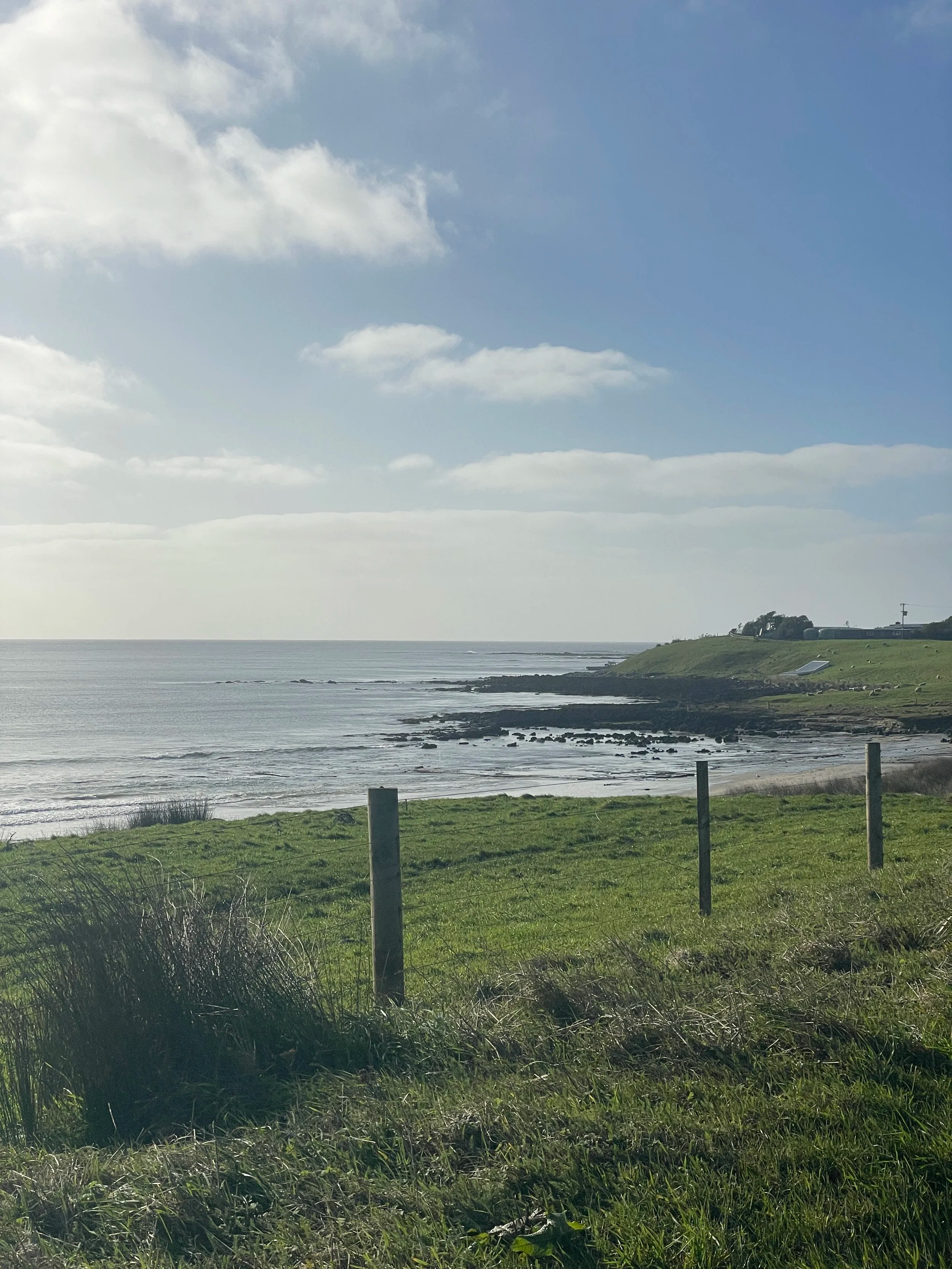
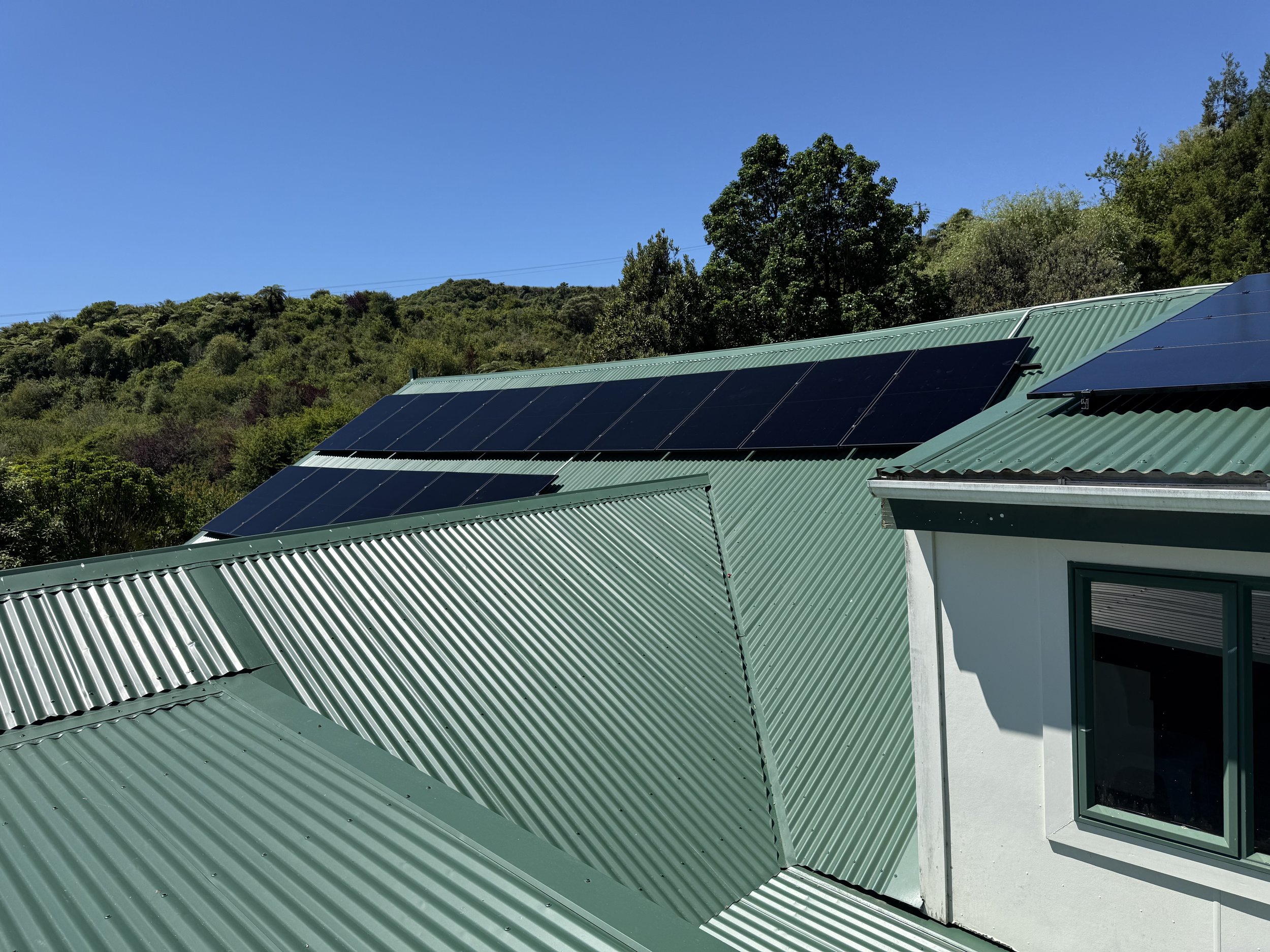
We fund the hardest part.
Four Directions Fund pays for and manages everything that happens before a shovel hits the ground: site and grid screening, landowner mandate and site control, feasibility, consenting, interconnection, offtake, and the benefit agreement that sits underneath it all.
That work is expensive, slow, and frequently unsuccessful, which is exactly why nobody funds it on Indigenous land. It is also where the value is created. By the time a project is development-ready, most of the risk has been taken out of it, and the price it commands reflects that.
When a project reaches that point, we run a competitive process and bid it to multiple developers rather than handing it to whoever showed up first. The uplift belongs to the community and to the people who funded the risk.
How It Works
1. Mandate and land identification
We begin with relationship, not a term sheet.
A formal mandate from the landowners, site identification, and a site access agreement.
2. Feasibility
Grid connection screening, environmental desktop assessment, and a financial feasibility model that tells us honestly whether this site can work.
3. Pre-development
Interconnection, permitting and regulatory approvals, offtake negotiation, and a benefit agreement designed with the landowners.
4. Competitive sale
A development-ready project taken to multiple bidders, with the community's benefits already structured into the deal.
Our Work
A short overview of the fund, the market opportunity, our process, and how we work with Indigenous landowners.
Contact us
Interested in working together or hearing more about us?
Fill out some info and we will be in touch shortly.